
Aidan Crocker
Industrial design student at Wentworth, based in Boston. I design products you can hold, from first sketch to finished prototype.
Selected Work
More Work

Let’s Talk
About Aidan Crocker

Hi, I’m Aidan, I’m a Junior at Wentworth Institute of Technology. I started designing because I’ve always been drawn to creativity and building. I have worked at Red House Design and Build for six years as an assistant carpenter along with my father and there I found my love for working with my hands. I have always been into sports like lacrosse, which I played in high school, and am a big football fan.
What I Work With
How I Work
Beyond the Studio
Right Now
I am in INDS Studio 5, a branding and concept studio, where I am building A Cut Above, a leather goods brand concept. It is still a work in progress.
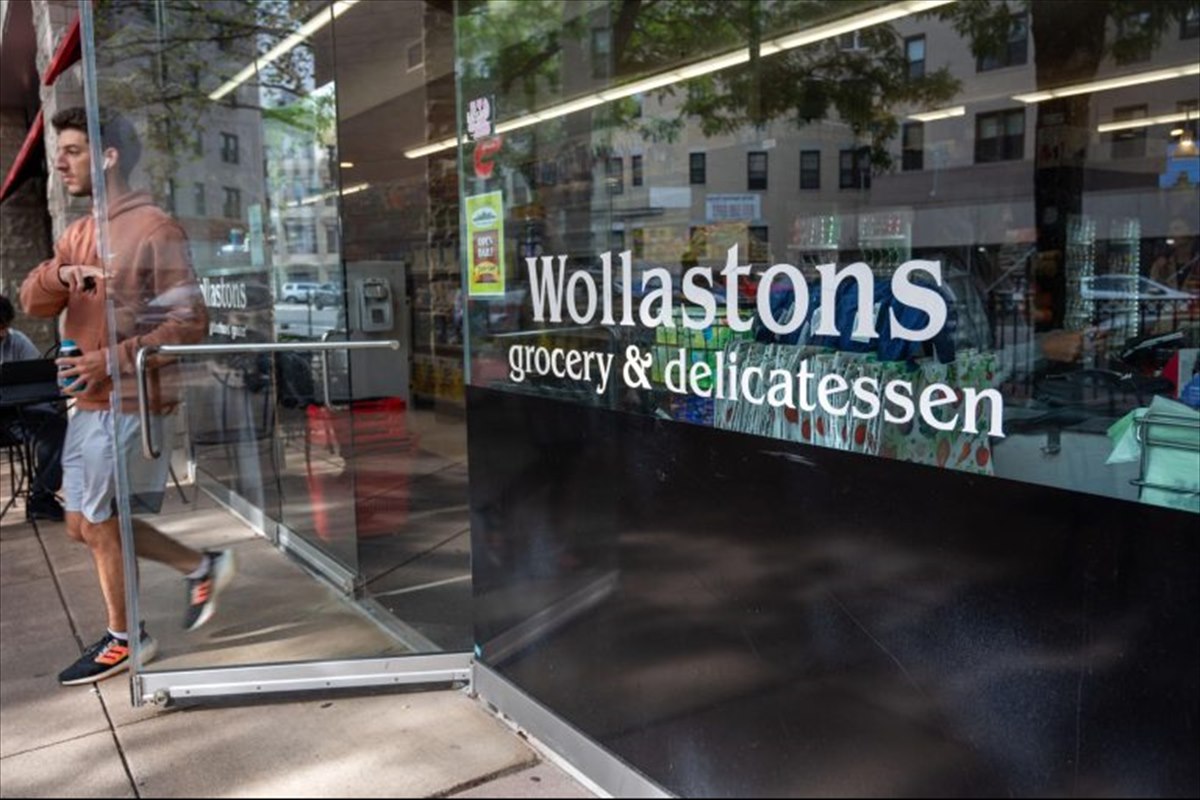
Wollastons User Experience Audit
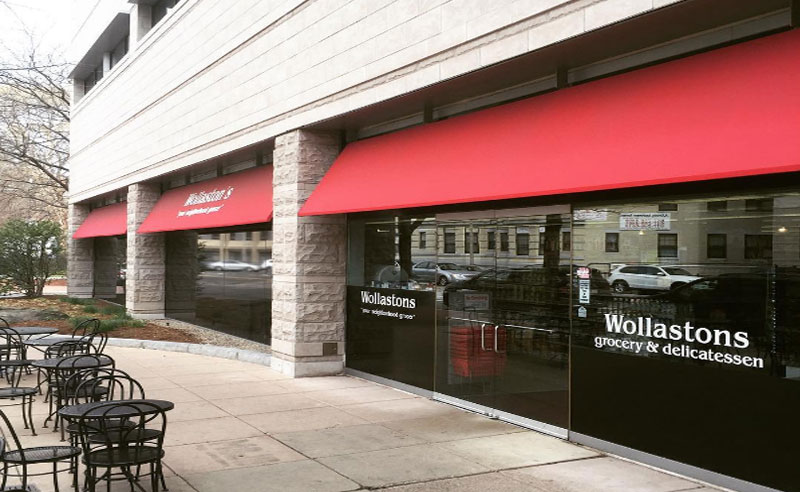
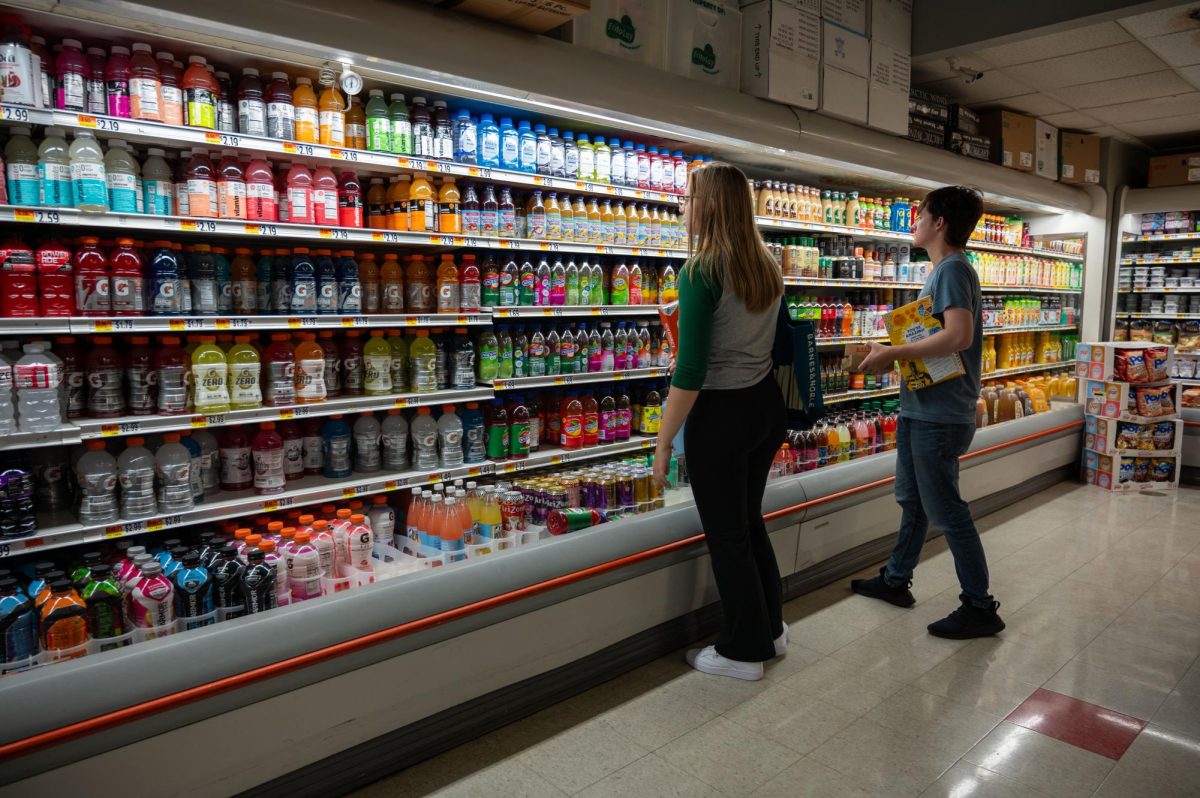
An observation study of Wollastons, a sandwich shop at Northeastern University. One morning on site: qualitative notes on the space, seven timed orders, a count of the morning rush, and a short interview. The aim was to find where the experience works, where it breaks, and what the owner could change.
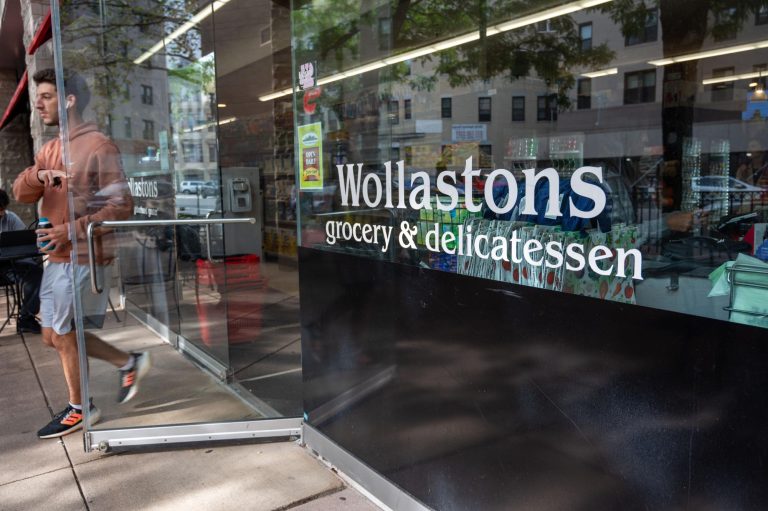
The food and the speed hold up. The room does not. Four problems showed up in one morning:
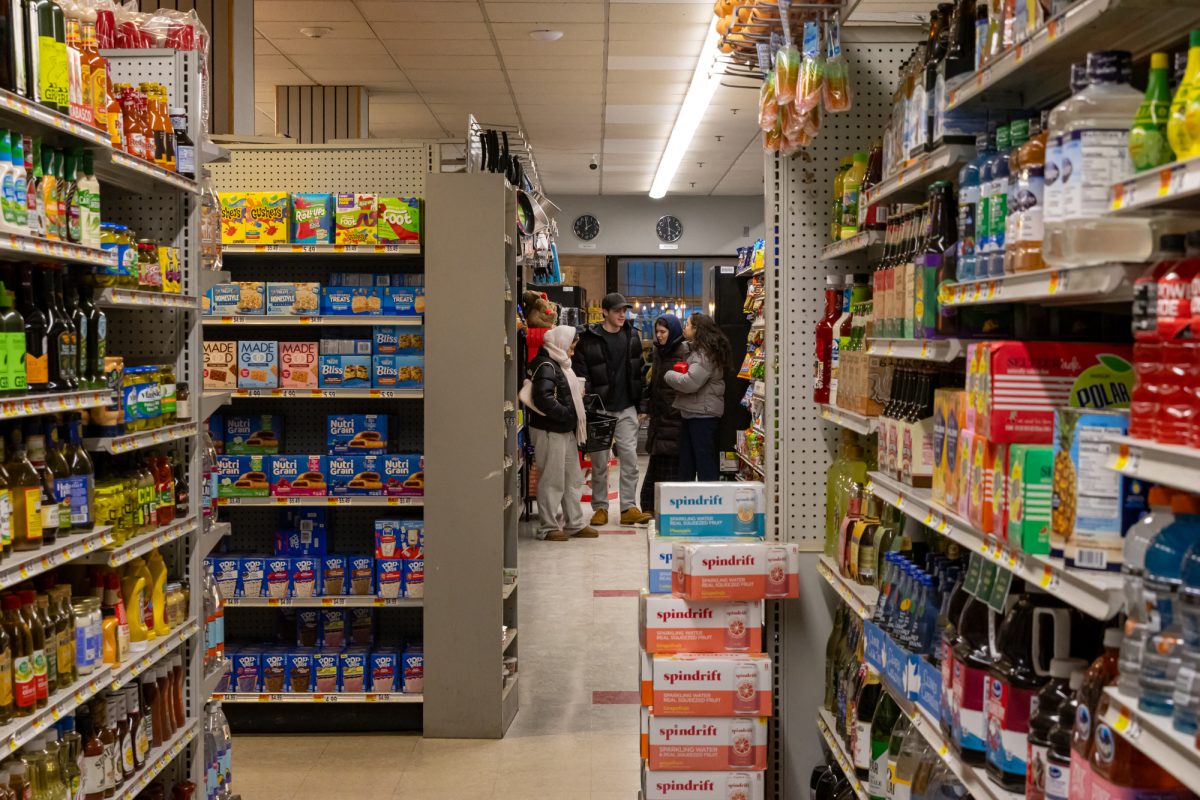
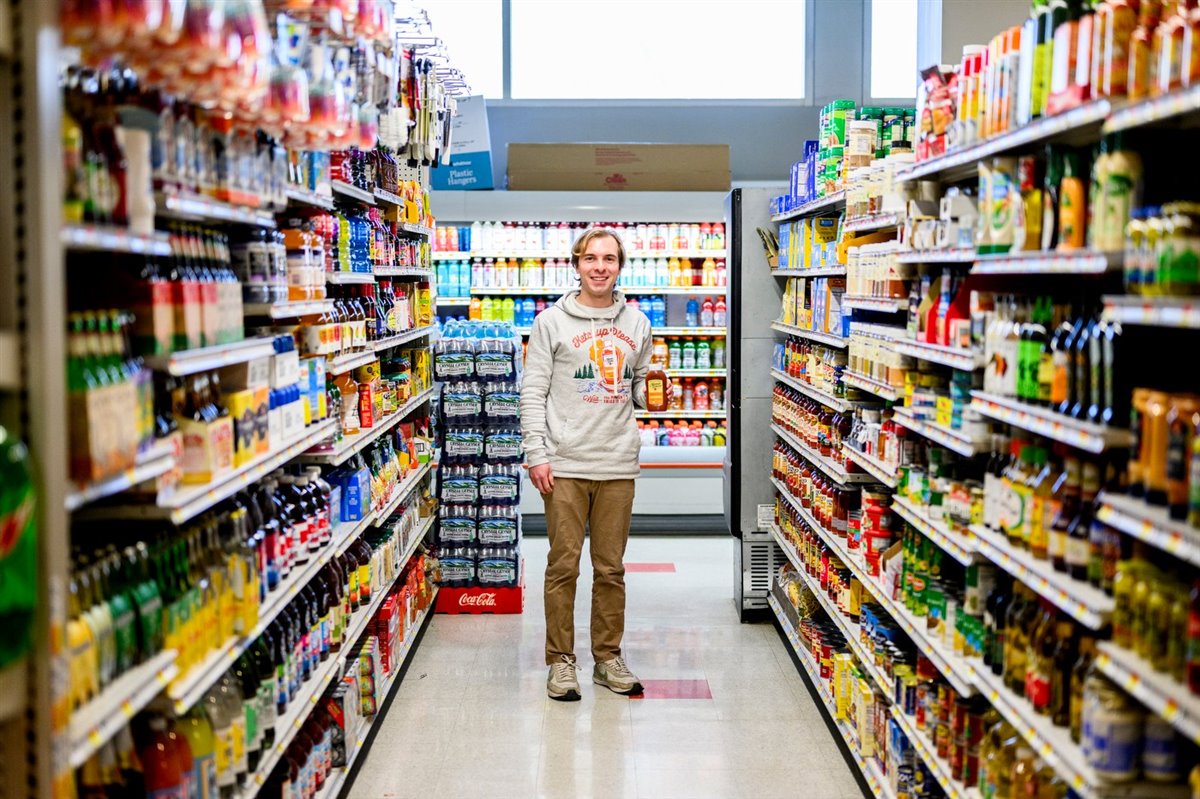
Tight space. The aisles are narrow, and with 10 workers and 7 customers inside at once there isn't enough room to queue, order and wait without crowding each other.
A rush that slows the line. Pickups slowed between about 8:55 and 9:20, and were slowest around 9:15.
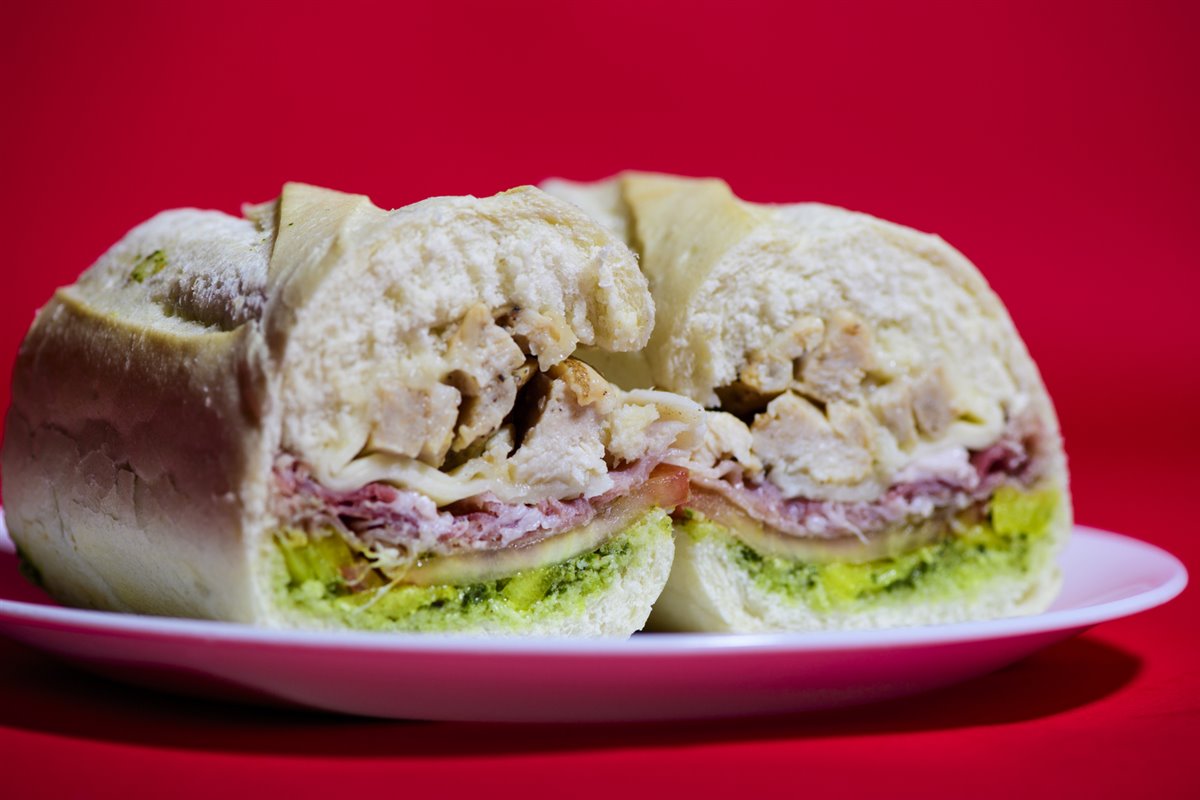
An uneven wait. Five of the seven timed orders landed between 2:42 and 3:19. The one outlier, 5:09, was a barbecue chicken sandwich, a more involved build than the breakfast sandwiches. So the menu has no single wait time, and nothing tells a customer which kind of wait to expect.
Empty outdoor seating. Nobody was sitting outside.
The room is small for how it is used. The staff and customer count crowd a footprint with tight aisles, so the space, not the menu, sets the limit.
The register is not the bottleneck. Paying took about 3 seconds, and 3 of the 10 workers were on the register. Five were cooking and two were stationed between. The wait builds between ordering and pickup, so the front of the shop is staffed for a speed the kitchen and handoff can't match.
Demand comes in a wave. The slowdown was concentrated in a 25-minute window, which is what you'd expect from a morning rush that the layout and workflow weren't set up to absorb.
Outdoor seating: I don't have evidence for why it goes unused yet. That needs a question to customers, not a guess.
Order time, by order
One moment to pay
Images
Quotes
Wollastons is a good case because the basics are already right. My interviewee called the food quality and the options good, the price came out cheaper, the service felt fast, and the shop was favored over Tessies. The lighting is solid and the white and gray palette keeps it clean. A place that passes those tests has earned its customers, which means I'm not redesigning the product. I'm looking at what surrounds it.
What's left is the physical experience: tight aisles, not enough space, a slowdown in the morning rush, and outdoor seating nobody uses. That is a design problem I can actually work on, because it comes down to layout, flow and wayfinding, not menu or pricing.
The numbers made the problem specific. Paying took about 3 seconds, while the average wait for a sandwich was about 3 minutes. The transaction is fast and the wait is the experience, so the opportunity sits in the space between ordering and pickup. And since the fixes are mostly cheap, like floor marking, a staffing shift and a pickup point, an owner could test them right away. A small, measurable problem at a place people already like is where a design change can show results.
One morning, one window. I observed starting around 8:40, which is a rush window. It may not represent the rest of the day.
Small, hand-timed sample. Seven orders, timed by me, with my own judgment of when each started and ended.
I'm a maker. I come from carpentry and product design, so I lean toward physical and spatial fixes over menu, pricing or staffing ones.
I'm part of the customer group. The shop serves college students and teachers, and I'm a college student, so I may over-identify with what they want.
The Tessies comparison is secondhand. It comes from a single interviewee, not from my own side-by-side observation.
Scored 1 to 5. Desirability: do users want it. Feasibility: can the technology and operations power it. Viability: will it make money.
1. Move one cashier to expediting during the 8:55 to 9:20 rush. Paying takes about 3 seconds, so one of the three cashiers can call orders and hand off sandwiches to shorten the long wait. No new hires.
2. Mark a one-way flow: door, register, pickup, exit. Floor tape and signage, with the pickup point moved away from the entrance, so waiting customers stop blocking the aisle.
3. Offer order-ahead with a ready-bag shelf for the morning rush. Students order before class and walk in to a bag, which takes people out of the crowded line.
4. Test outdoor seating for two weeks, after asking customers why they skip it. A couple of stools or a standing ledge. Keep it only if people use it.
Aidan L. Crocker
Education
Related coursework: Industrial Design Studio 4, 3D Realization 2, CAD 2: Solid Modeling, Visualization 4: Presentation Illustration.
Skills
Work Experience
Assisted with framing, installation, electrical, plumbing, demolition, and other remodeling work; handled daily site upkeep and final site clean; held a key role in heavy manual labor on site.
